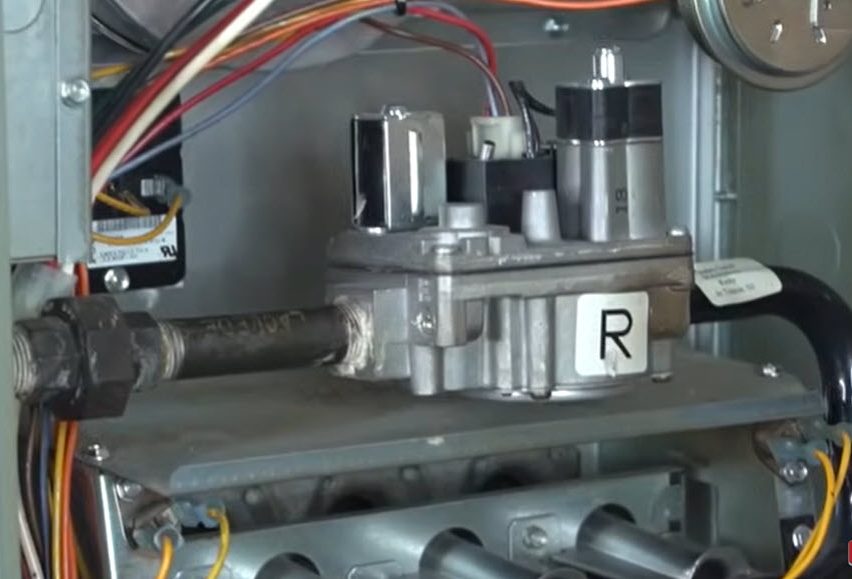
Propane Furnace Repair in Unionville, PA
Same furnace as gas, different rules once the tank is in the yard.
Past the end of PECO's gas lines, many Unionville-area farms, estates and newer homes heat with propane. A propane furnace shares most parts with a gas furnace, but run-outs, regulators, tank gauges and the split between your supplier and your heating company change how repairs work.
- Free referral service, not a contractor
- Independent local HVAC companies
- No obligation
Propane past PECO's gas lines
PECO supplies natural gas where its mains run, mostly closer to Kennett Square, Longwood and West Chester. Beyond them, on the farms, horse properties and larger lots around Unionville, propane is the usual gas fuel for furnaces, water heaters, ranges and barn heaters.
Propane homes around East Marlborough, West Marlborough, Pocopson and Newlin range from 1970s colonials converted from oil to new houses built with 95% propane furnaces, heat pumps and several zones. Many estates also run propane to a pool heater, a generator or a detached studio. That means one tank, one regulator setup and several appliances that all depend on it.
Because the fuel arrives by truck and sits in your yard, a propane furnace repair has two halves. The heating company handles the furnace. The propane supplier usually handles the tank and the regulator at the tank. Knowing which half your problem sits in saves a wasted call.
How a propane furnace differs from a natural gas furnace
The cabinet, blower, ignitor and controls are the same. The gas side is not. Propane runs at higher pressure through smaller burner orifices, so a natural gas furnace has to be converted with the manufacturer's LP kit by a qualified service agency before it can burn propane.
| Item | Natural gas | Propane (LP) |
|---|---|---|
| Where the fuel comes from | PECO main and meter | Your tank, refilled by a supplier |
| Example manifold pressure (one Trane manual) | About 3.2 inches water column, high fire | About 10.5 to 11.0 inches water column, high fire |
| Burner orifices | Larger, factory installed | Smaller LP orifices from the conversion kit |
| Gas valve | Natural gas regulator spring | LP spring or LP valve, with conversion labels |
| Pressure regulators | Utility's meter regulator | Regulators at the tank and often at the house, owned by you or the supplier |
| Leaked gas behavior | Lighter than air, rises | Heavier than air, settles low |
| Common extra failure | Rare supply issues | Run-outs, frozen or failing regulators, low tank pressure |
Pressures and orifice counts vary by model. Trane's conversion instructions require a leak check of every fitting and an operating check before the converted furnace goes back into service.
Propane furnace symptoms and what they usually mean
Start with the tank gauge on any propane no-heat call. Then use the pattern below.
| What you notice | Likely causes | Call first |
|---|---|---|
| Nothing lights on any propane appliance | Empty tank, closed tank valve, failed tank regulator | Propane supplier |
| Range works, furnace doesn't | Ignitor, flame sensor, pressure switch, furnace gas valve | Heating company |
| Weak, lazy flame that drops out in deep cold | Low tank level, regulator icing or a failing regulator | Propane supplier |
| Yellow, sooty flame or soot on the cabinet | Wrong orifices or pressure, bad conversion, dirty burners | Heating company; shut it off |
| Furnace tries, stops, blinks a code after snow | Blocked PVC vent or frozen condensate line | Clear vents yourself, then a heating company |
| Furnace stopped right after a delivery or tank swap | Air in lines, a valve left closed, lockout from earlier tries | Supplier for the leak check, then a heating company |
| Hissing or frost on the regulator, propane smell | Regulator or vent fault, leak | Leave the area; 911 and supplier |
Running out of propane and the leak check before relight
After a run-out, a qualified professional has to check the system for leaks when the gas is turned back on. The Propane Education & Research Council says this plainly, and adds that homeowners should never turn the gas on at the tank themselves.
When the tank empties, burners and pilots go out, and any appliance valve left open can leak when pressure returns. Eastern Propane's guidance adds that air and moisture entering an empty tank can cause rust, which can reduce how strongly the gas smells. That combination is why suppliers treat a run-out as a safety call, not a delivery.
- Call your supplier and say the tank ran dry.
- Don't open the tank valve or try to restart appliances.
- The supplier delivers, then pressure-tests the system for leaks.
- Pilots and appliances are relit after the test passes.
- If the furnace still won't run, call a heating company.
If you smell propane
- Get everyone out of the house or barn.
- No sparks: no light switches, appliances, phones inside, or flames.
- Close the tank valve clockwise only if it's safe and the tank isn't the leak.
- Call 911 and your supplier once you're away from the building.
- Stay out until a responder or qualified technician says it's safe.
Propane is heavier than air and can pool in basements and low spots. Don't go down to check.
How to read a propane tank gauge
The gauge under the tank dome shows percent full, not gallons. Tanks are filled to about 80% to leave room for the liquid to expand as it warms, so 80% is a full tank, and the dial should never read 100%.
Ferrellgas explains the math: multiply the tank's water capacity by 0.8. A 500-gallon tank holds about 400 gallons of propane when full, and a 1,000-gallon tank about 800. To estimate what's left, a simple rule of thumb is to multiply the gauge reading by the tank size. A 500-gallon tank at 30% has about 150 gallons.
- Check the gauge weekly in cold months, and before a storm or a trip.
- Ferrellgas advises keeping the tank at least one-quarter full in extreme cold.
- Eastern Propane suggests calling for delivery if the gauge drops below 20%.
- Keep the driveway and path to the tank plowed so the truck can reach it.
Ferrellgas also notes that nearly empty tanks are more likely to ice up in extreme cold. That's one more reason not to run a tank near empty in January.
Regulators, ice and snow
Propane itself doesn't freeze in any weather Unionville sees. Regulators can ice up, though, because moisture in the air freezes as propane expands through them. Usually that's harmless, but snow and ice packed over a regulator or its vent can cause trouble.
Ferrellgas notes that real regulator problems are rare and often trace to an overfilled tank or a portable cylinder that isn't upright. Propane safety guidance is to keep heavy snow and ice off regulators, piping and meters, and to clear them with a broom rather than a shovel.
- Brush snow off the tank dome, regulator and piping after storms.
- Make sure roof snow and icicles can't drop onto the regulator.
- Never warm a tank or regulator with a flame, heater or hot water.
- Frost plus a propane smell or hissing means leave and call.
Owned or leased tank: supplier vs heating company
With a leased tank, Ferrellgas says the supplier owns and maintains the equipment, and it can usually only be filled by that supplier. With an owned tank, you choose your supplier and you're responsible for upkeep by qualified pros.
| Part | Usually handled by |
|---|---|
| Tank, tank valve, gauge | Supplier (leased) or owner's chosen pro (owned) |
| First- and second-stage regulators | Propane supplier |
| Run-out leak check and relight | Propane supplier |
| Furnace, gas valve, burners, venting | Heating company |
| LP conversion of a furnace | Heating company |
Practices vary. Some suppliers also service furnaces. Ask yours what it covers before winter.
Propane odor fade and carbon monoxide
Propane has an odor added so leaks can be noticed, but that smell can fade or go unnoticed. The Propane Education & Research Council recommends propane gas detectors as well as your nose, and a UL-listed carbon monoxide detector on every level of the home.
According to the council, soil, water or rust can absorb the odorant, a leak can settle low where nobody is standing, and airflow can carry the smell away. Colds, allergies, smoking, age and simply getting used to a smell can also dull your sense of it. If a propane detector sounds, the council's advice is not to walk toward it, and to treat it as an emergency even if you smell nothing.
Carbon monoxide is a separate danger. A propane furnace with a blocked vent, a cracked heat exchanger or wrong burner pressure can make CO, and CO has no smell at all. Soot, an unfamiliar burning odor and heavy moisture on the inside of windows are warning signs. Ask for a CO reading on every service visit, and see the carbon monoxide safety guide for alarm placement.
95% propane furnaces and dual fuel with a heat pump
Every gallon of propane arrives by truck, so efficiency shows up directly in delivery bills. A 95% or higher propane furnace, or a heat pump paired with a propane furnace, is a common way to cut gallons used in a long Chester County winter.
High-efficiency propane
A 95% to 97% furnace keeps most of the heat an older 80% unit sends up the flue. It vents through PVC and drains condensate, so vent placement above the snow line and a freeze-protected drain matter on open, windy lots.
Dual fuel
A heat pump carries fall, spring and milder winter days, and the propane furnace takes over in deep cold. PECO electric customers may get up to $300 on a qualifying ENERGY STAR heat pump. Confirm current terms on peco.com. See heat pumps.
What changed in 2026
The federal 25C credit ended for equipment placed in service after December 31, 2025. New heat pumps use R-454B or R-32 refrigerant. Compare fuels in the oil vs propane vs heat pump guide.
Barns, workshops and propane unit heaters
Horse barns, tack rooms, workshops and studios around Unionville often have their own propane unit heaters. They need the same venting, clearance and leak checks as a house furnace, and dust makes them dirtier faster.
- Keep hay, bedding and stored fuel away from heaters, per the manufacturer's clearances.
- Have burners and vents cleaned each fall. Barn dust and cobwebs choke them.
- Put a CO alarm in any heated outbuilding where people spend time.
- Check that the propane line to the building is protected from vehicles and animals.
- After a run-out, the leak check covers every appliance on the tank, barn included.
Who to call for what
Propane-specific work such as a tank refill, a regulator or a run-out leak check is often handled by the propane supplier, while burner, ignition and blower problems go to a heating company. Ask either one for the price in writing before work starts.
Get connected with a local company that works on propane. The referral is free.
Three propane problems that are typical around Unionville
These are composite examples of common situations, not specific customer stories.
The empty tank on a holiday weekend
A Pocopson home on will-call delivery. The family returns from a trip to a cold house; the gauge reads 0%. The supplier delivers, then does the leak check before turning the gas on. The furnace starts after a power cycle clears its lockout.
The converted furnace that sooted up
A home switched from oil to propane years ago. The furnace now shows a yellow flame and soot near the burners. The technician finds incorrect orifices and pressure from the old conversion and corrects them to the manufacturer's LP spec, then checks CO.
The barn heater that wouldn't light
A West Marlborough horse property. The house furnace works, but the barn unit heater locks out. Dust and a spider nest in the burner and vent are choking it. A cleaning and vent check bring it back, with a CO alarm added in the tack room.
Propane furnace questions from Unionville homeowners
Why does my propane tank gauge never read 100%?
Tanks are filled to about 80% so the liquid propane has room to expand as it warms. An 80% reading is a full tank. A 500-gallon tank holds about 400 gallons when full.
Can I relight my propane furnace after running out?
No. A qualified professional must leak-check the system when the gas is turned back on. Don't open the tank valve yourself, and let the supplier restore service.
Can a natural gas furnace run on propane?
Many can, with the manufacturer's LP conversion kit installed by a qualified technician. The kit changes the orifices and gas valve setup for propane's higher pressure. Ask to see the conversion label on the furnace.
Can propane freeze in the tank?
Not in any real weather here. Propane's freezing point is far below anything Pennsylvania sees. Regulators can ice up, and Ferrellgas advises keeping the tank at least a quarter full in extreme cold.
Who do I call: my propane company or a heating company?
If no propane appliance works, call the supplier first; it's likely the tank, valve or regulator. If the range works but the furnace doesn't, call a heating company. Some suppliers also service furnaces.
Should I get a propane gas detector?
The Propane Education & Research Council recommends one, because the odor can fade or go unnoticed. It's separate from a CO alarm, though combination units exist. Follow the maker's placement instructions.
Why is my propane furnace flame yellow?
A yellow or sooty flame usually means wrong gas pressure, wrong orifices from a conversion, or dirty burners. It can produce carbon monoxide. Turn the furnace off and have it checked.
Is a heat pump worth adding to a propane furnace?
Often, especially if you also want central air. The heat pump handles milder weather and the propane furnace covers deep cold, which cuts deliveries. PECO electric customers may qualify for a heat pump rebate; confirm on peco.com.
Does LIHEAP help with propane?
Yes. Pennsylvania LIHEAP covers propane, with cash grants of $200 to $1,000 for the 2026/27 season starting November 2, 2026. Crisis grants can help if you're out of propane.
Is this site a propane or heating company?
No. UnionvillePAFurnaceRepair is a free referral service that connects you with independent local HVAC companies. Those companies set their own prices and terms. This site doesn't deliver fuel, perform work or guarantee it, and may be paid for referrals.
Sources
- Propane Education & Research Council: safety guide for propane users.
- Eastern Propane: what happens if you run out of gas.
- Ferrellgas: why your propane tank is never full.
- Ferrellgas: can propane freeze?
- Ferrellgas: common propane questions (leased vs owned tanks).
- Trane: propane conversion kit installation instructions.
- PECO service area, rebates, 25C ending, refrigerants and LIHEAP 2026/27 terms, as summarized on the Unionville furnace guide.
Written by Lawrence. Updated October 25, 2026. Facts on this page were checked against the public sources listed above.
This is general information from a free referral service, not a heating contractor. For gas smells or carbon monoxide alarms, leave the house and call 911.
Related furnace help
Propane furnace down? Get connected with local heating help.
Tell the company it's propane, the tank gauge reading, whether the tank ran dry, and any blinking code on the furnace.
One call to (724) 241-4851 connects you with independent local HVAC companies that serve Unionville and nearby Chester County communities. It's free, with no obligation.
Have this ready when you call
- Your town or road
- Your fuel: oil, propane, gas or electric
- What the system is doing, and any blinking light code
- Whether you smell gas or oil (if so, leave and call 911 first)
Free referral service. Not a heating contractor. Companies are independent and set their own prices.