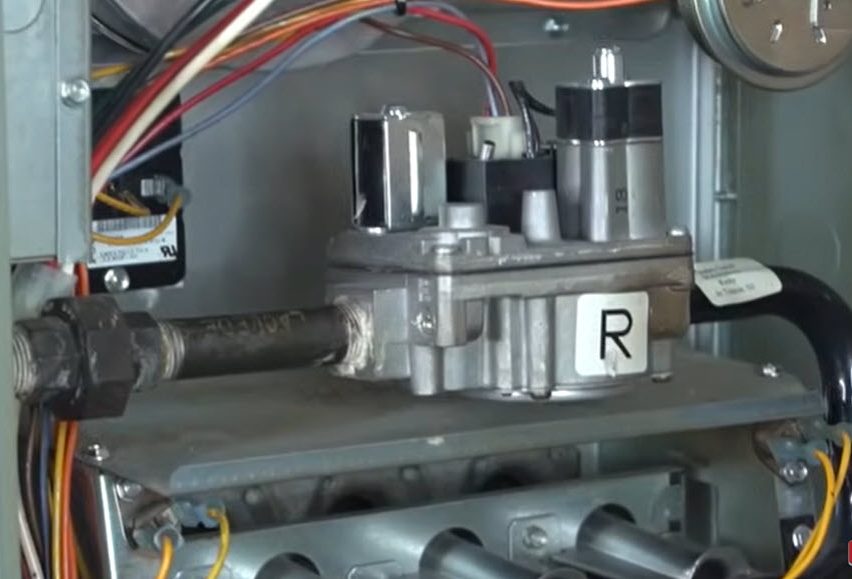
Furnace Repair in Unionville, PA
Most furnaces that quit in January gave a warning in November.
Ignitors, flame sensors, pressure switches, blower motors and control boards cause most no-heat calls in Unionville and East Marlborough. This page explains what each symptom usually means, what to check yourself, what repairs typically cost, and how to get connected with a local heating company.
- Free referral service, not a contractor
- Independent local HVAC companies
- No obligation
What usually goes wrong with furnaces in Unionville homes
A furnace that won't heat usually has one failed part, not a failed furnace. The common culprits are the flame sensor, the hot surface ignitor, the pressure switch and venting, the filter and high limit switch, the blower motor or its capacitor, and the control board.
Unionville adds a few local twists. Many homes around the village, West Marlborough and Newlin are off the natural gas main, so oil and propane furnaces are common, and running out of fuel is a real cause of no heat. High-efficiency furnaces in newer subdivisions vent through white PVC pipes that snow can block. And older stone and frame houses often have furnaces in damp basements, ducts added long after the house was built, and chimneys that were designed for wood or coal.
Nearby West Chester averages a January low of about 22°F, and the record low is minus 16°F. Furnaces run long cycles for months, so worn parts tend to quit during the first real cold snap, not in October.
Furnace symptoms and what they usually mean
Write down what the furnace does and how often before you call. The pattern points to the part.
| What you notice | Most likely causes | What you can safely check | How urgent |
|---|---|---|---|
| Burners light, then shut off after a few seconds | Dirty or worn flame sensor; poor ground; wrong gas pressure | Nothing inside the cabinet. Note how many tries before lockout. | Soon. Furnace may lock out for an hour after several tries. |
| Inducer fan runs, burners never light | Cracked hot surface ignitor; failed gas valve; empty propane or oil tank | Fuel gauge, gas valve handle in line with the pipe | Same day in cold weather |
| Furnace tries, then stops; blinking light code | Pressure switch open from a blocked PVC vent, frozen condensate line or failed inducer | Clear snow and ice from both PVC pipes outside by hand | Same day. Often fixed by clearing the vent. |
| Runs a few minutes, shuts off, repeats | Clogged filter tripping the high limit; oversized furnace; blocked returns | Replace the filter; open closed registers and returns | Soon. Repeated overheating can crack the heat exchanger. |
| Burners run but no air comes out | Blower motor or capacitor failure; door safety switch | Make sure the lower door is fully closed | Shut it off and call. Burners without airflow overheat. |
| Blows cold air the whole time | Burners not lighting; thermostat set to ON instead of AUTO; fuel run-out | Thermostat fan setting, fuel gauge | Same day in cold weather |
| Nothing happens at all | Tripped breaker or furnace switch; dead thermostat batteries; blown board fuse; failed transformer | Breaker, the light-style switch near the furnace, thermostat batteries | Same day |
| Loud bang or whoosh on startup | Delayed ignition from dirty burners (gas) or a clogged nozzle (oil) | Nothing. Turn it off if it keeps happening. | Call now. It stresses the heat exchanger. |
| Water around the furnace | Clogged condensate trap, cracked drain line, failed condensate pump, AC coil drain | Check the pump is plugged in; look for a kinked drain tube | Soon, before it ruins the control board |
| Soot, oil smell or rotten-egg smell | Combustion or fuel leak problem | Nothing. Leave the house and call 911 for gas. | Emergency |
On most furnaces built in the last 25 years, a small light on the control board flashes a code. The code chart is usually printed inside the lower door.
Six checks before you call for furnace repair
These take about ten minutes and solve a surprising share of no-heat calls. None of them involve opening the burner compartment.
- Thermostat. Set to HEAT, a few degrees above room temperature, fan on AUTO, fresh batteries.
- Power. The switch near the furnace (it looks like a light switch) is on, and the breaker hasn't tripped.
- Filter. A gray, packed filter can trip the high limit. Replace it with the same size.
- Fuel. On oil or propane, read the tank gauge. On gas, make sure the valve handle runs in line with the pipe.
- Outside vents. On a 90% or higher furnace, clear snow, ice or leaves from the two white PVC pipes.
- Reset once. Turn the furnace switch off for 30 seconds and back on. On an oil burner, press the red reset button once only.
Stop and call instead if
- You smell gas or heavy oil. Leave the house and call 911 from outside.
- A carbon monoxide alarm sounds or people feel headachy or dizzy.
- You see soot around the furnace or registers.
- The oil burner won't stay lit after one reset. More presses can flood the chamber.
- You ran out of propane. The system needs a leak check before it's relit.
- Someone in the house is elderly, an infant or ill, and the house is getting cold.
While you wait: drip faucets on outside walls, open sink cabinets, and never heat the house with an oven, grill or generator. See no heat and emergencies.
What a thorough furnace repair visit includes
Every company has its own process, but a complete diagnosis tends to follow the same order. Knowing it helps you tell whether a visit was thorough.
- Confirms the thermostat is calling for heat and has power.
- Reads the control board's fault code and fault history.
- Checks the filter, blower, inducer motor and pressure switch.
- Tests the ignitor and flame sensor and watches a full ignition sequence.
- Measures gas or propane pressure, or does a combustion test on oil.
- Inspects the burners, heat exchanger, flue and vent pipes.
- Measures carbon monoxide at the furnace and in the living space.
- Shows you the failed part or reading and explains the fix before doing it.
- Leaves a written record of readings, parts and warranty.


How furnace repair differs by fuel around Unionville
Unionville heats with more fuels than most places. The fuel changes which parts fail and who you call.
Natural gas
Found closer to Kennett Square, Longwood and West Chester where PECO gas lines run. Flame sensors, ignitors, pressure switches and inducers cause most repairs.
Gas tune-up checklistPropane
Common past the gas lines on farms and estates. Same parts as gas, plus regulators that freeze, low tank pressure and relights after a run-out.
Propane furnace repairOil
Still common in older farmhouses. Clogged nozzles and filters, fuel pumps, photocells, soot and puffbacks. Needs yearly cleaning.
Oil furnace repairElectric and heat pump
Electric furnaces and air handlers fail at heating elements, sequencers and breakers. Heat pumps add defrost and refrigerant issues.
Heat pump repairWhy Unionville furnaces fail the way they do
Snow on the vents
West Chester averages about 28 inches of snow a year. On a 90% to 98% furnace, drifting snow or ice over the PVC intake and exhaust trips the pressure switch, and the furnace shuts down. It's one of the most common winter repair calls, and often the fix is a shovel.
Damp stone basements
Stone foundations and older basements stay damp. Moisture rusts burners and cabinet bottoms and shortens the life of control boards. If your furnace sits on a damp floor, ask about a raised pad or a dehumidifier.
Old chimneys, new furnaces
Many village and farmhouse chimneys were built for wood or coal. When a 95% furnace moves to PVC venting, a gas or oil water heater can be left alone in a chimney that's now too big for it. That can cause condensation and backdrafting. A good technician checks the water heater's draft after any furnace change.
Storms and power surges
Tree-lined roads like Route 82 and Street Road lose power in ice storms and nor'easters. Every modern furnace needs electricity, and surges when power returns can damage control boards. See power outages and heat.
Barn dust and pets
Horse country means hay, barn dust and pet hair. Filters clog faster, which trips the high limit and wears the blower. Check a 1-inch filter monthly in winter.
Second and third systems
Larger homes in East Marlborough often have a basement furnace plus an attic air handler or heat pump. Attic units with clogged condensate drains overflow into ceilings, and one cold floor is often a zone damper, not a dead furnace.
Three furnace problems that are typical around Unionville
These are composite examples of common situations, not specific customer stories.
The first cold morning
A 1990s colonial in East Marlborough. The furnace ran fine in October, then shuts off after a few seconds on the first frosty night. The flame sensor has a light coating from a season of use. Cleaning or replacing it is usually a short visit, and it's exactly what a fall tune-up catches.
The day after the snowstorm
A newer home near Longwood with a 96% furnace. After a nor'easter, the furnace tries to start, then stops with a blinking code. Snow drifted over the PVC pipes on the side wall. Clearing them by hand restores heat. If it keeps happening, the vent may need to be raised.
The farmhouse on oil
An 1800s stone farmhouse off Doe Run Road with an oil furnace. The burner locks out and the reset button doesn't help. The tank ran low, and sludge from the bottom clogged the filter and nozzle. The fix is a new filter and nozzle, bleeding the line and a fuel delivery.
Repair or replace your furnace?
Repair usually wins when the furnace is under about 15 years old, the repair is a single part, and there's no safety problem. Replacement makes more sense when the heat exchanger is cracked, the furnace is near or past 20 years, or you've paid for repairs two winters in a row.
| Situation | Usually |
|---|---|
| Under 15 years old, one failed part, no safety issue | Repair |
| 15 to 20 years old, modest repair | Repair, but start planning a replacement |
| Cracked heat exchanger or failed CO test | Replace |
| Repairs in back-to-back winters, rising fuel use, uneven rooms | Compare both options in writing |
| Oil or propane furnace and you also need central air | Compare replacement with a heat pump or dual fuel setup |
There is no federal 25C tax credit for furnaces or heat pumps placed in service after December 31, 2025. PECO electric customers may qualify for heat pump rebates. More in furnace replacement and the oil vs propane vs heat pump guide.
Questions to ask any furnace repair company
Pennsylvania has no statewide HVAC license. Contractors doing $5,000 or more of home improvement work a year must register with the Attorney General under HICPA and carry liability insurance, so ask for the registration number and look it up yourself.
- What's your HICPA registration number, and are you insured?
- Do you work on my fuel and brand: oil, propane, gas, heat pump?
- What's the diagnostic or trip fee, and is it credited toward the repair?
- Can you show me the failed part or the reading?
- What warranty comes with the part and the labor?
- Will you check carbon monoxide before you leave?
These apply to every company, including any you're connected with through this site. Look up registrations at hic.attorneygeneral.gov. More on Pennsylvania contractor rules.
Furnace repair questions from Unionville homeowners
Why does my furnace turn on and then shut off after a few seconds?
Most often it's a dirty flame sensor. The burners light, the furnace can't confirm the flame, and it shuts the gas off for safety. Cleaning or replacing the sensor is usually a simple repair.
Why is my furnace running but blowing cold air?
Check that the thermostat fan is set to AUTO, not ON. If it is, the burners probably aren't lighting: a failed ignitor, a dirty flame sensor, a blocked PVC vent or an empty oil or propane tank are the usual causes.
Is a furnace repair an emergency?
A gas smell, a carbon monoxide alarm, soot or a bang on startup are emergencies. No heat is urgent in freezing weather, especially with older adults, infants or someone ill in the house, or when pipes could freeze.
Can I clean the flame sensor myself?
Leave it to a technician. Reaching the flame sensor means opening the burner compartment next to the gas valve and wiring, and the sensor has to be cleaned and reseated correctly. Never bypass a safety switch to get heat back.
Why does my high-efficiency furnace keep shutting off after it snows?
Snow or ice is likely blocking the white PVC intake or exhaust pipes, which trips the pressure switch. Clear them by hand. If it happens every storm, ask about raising the vent termination.
What does a blinking light on my furnace mean?
It's a fault code from the control board. The number of flashes points to a problem like a pressure switch fault, a failed ignition or an open limit switch. The chart is usually inside the lower door. Write down the pattern before you call.
How long does a furnace repair take?
Common repairs like a flame sensor, ignitor or capacitor usually take an hour or two once the technician has the part. A control board, inducer or blower motor may need a part ordered, especially for less common brands.
Does homeowners insurance cover furnace repair?
Usually not. Policies generally exclude wear and tear and old age, which cause most furnace failures. A manufacturer's parts warranty or a home warranty contract may cover some repairs, so check those first.
Is this site a furnace repair company?
No. UnionvillePAFurnaceRepair is a free referral service. It connects you with independent local HVAC companies, which set their own prices and terms. This site doesn't perform or guarantee any work and may be paid for referrals.
Sources
- West Chester climate normals and records (January lows, record low, annual snowfall), as summarized on the Unionville furnace guide.
- Pennsylvania Attorney General: Home Improvement Contractor registration.
- Federal 25C credit ending for property placed in service after December 31, 2025: One Big Beautiful Bill Act, Section 70505.
Written by Lawrence. Updated October 25, 2026. Facts on this page were checked against the public sources listed above.
This is general information from a free referral service, not a heating contractor. For gas smells or carbon monoxide alarms, leave the house and call 911.
Related furnace help
Furnace acting up? Get connected with local heating help.
Tell the company your fuel, what the furnace is doing and any blinking light code. That helps them bring the right parts the first time.
One call to (724) 241-4851 connects you with independent local HVAC companies that serve Unionville and nearby Chester County communities. It's free, with no obligation.
Have this ready when you call
- Your town or road
- Your fuel: oil, propane, gas or electric
- What the system is doing, and any blinking light code
- Whether you smell gas or oil (if so, leave and call 911 first)
Free referral service. Not a heating contractor. Companies are independent and set their own prices.